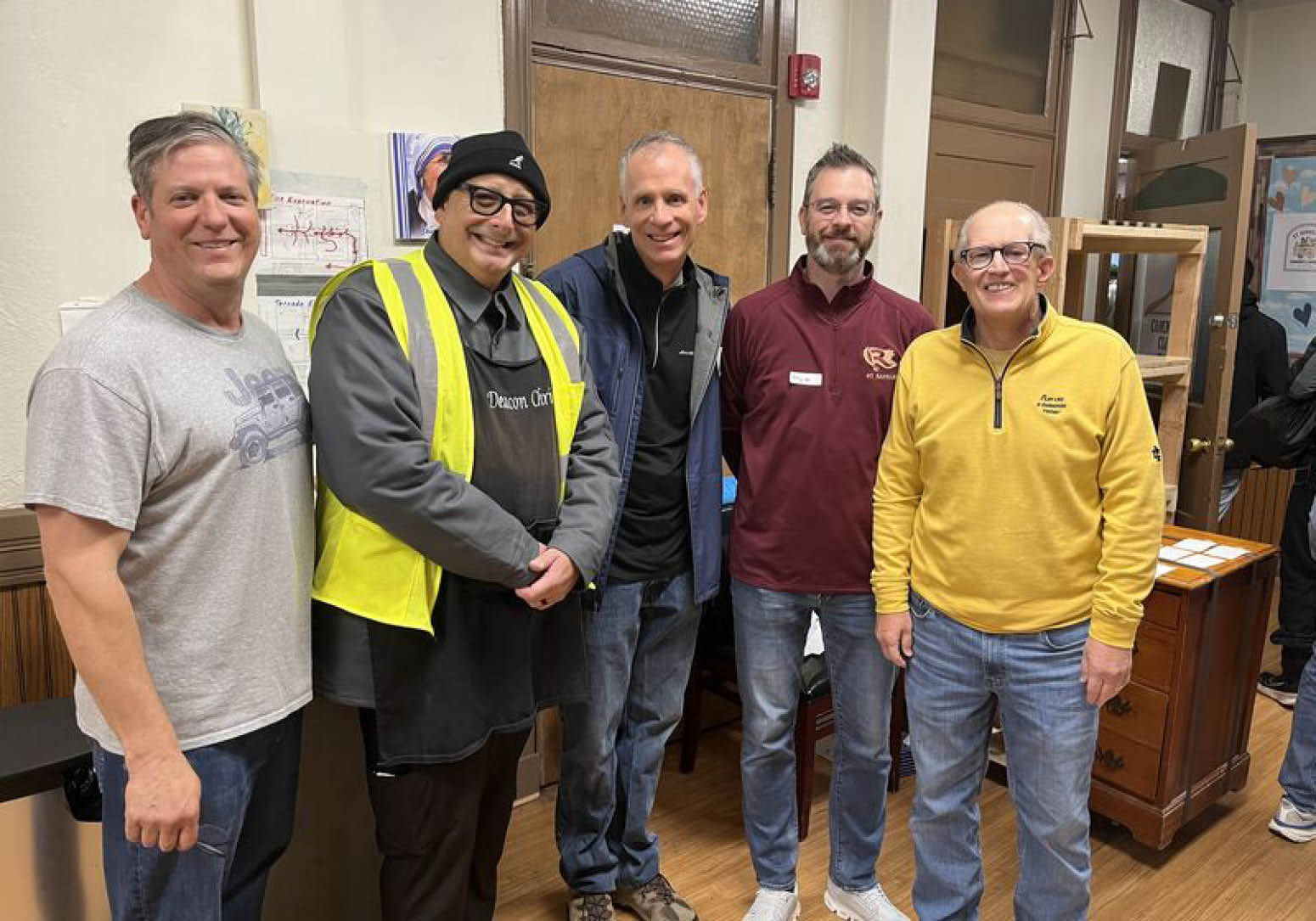


In 2022, Christopher DePenti was asked by his pastor at St. Augustine parish to start a food pantry for the underserved in his Cleveland, Ohio, diocese. “As a deacon, I was already involved in community outreach and ministry, but this task presented an avenue for even greater engagement. I agreed, even though I knew nothing about how food pantries operated,” he says.
DePenti, a director at KeyBank and president of TEI’s Cleveland Chapter, dug into his new task. “My first step was research,” he says. “Being a tax accountant, you know what you don’t know so you better go and figure it out. Initially, I visited a few local food pantries and talked to the people running them to see if I could get some idea about best practices.”
He was discouraged with what he found. “I’m not knocking the good works of these organizations,” he says. “I just wasn’t feeling comfortable about their answers to my questions. It felt like a very one-sided paradigm. I understood that if we’re really going to serve this community, I needed to engage with the individuals that use these resources.”
Charting a Different Course
DePenti spent three months visiting nearly four dozen outreach facilities throughout Greater Cleveland and Northeast Ohio. “I stood outside and interviewed people as they were coming out. I had a little survey form and asked what they liked and didn’t like, and if they felt their needs were met. I learned a ton,” he says.
“I’ll never forget the first girl I interviewed, who told me what she really needed: feminine hygiene products. I spoke with a homeless veteran who was holding a prepackaged bag of food. When he opened it, he looked heartbroken, telling me, ‘I don’t have a can opener.’ I talked to a woman who was on SNAP. She explained that the program only provides food, which she welcomed, but said she couldn’t use the benefits for necessities like toilet paper, toothbrushes, toothpaste, aluminum foil, or even sandwich bags to pack her child’s school lunch. Others told me that I was the only person to ever ask them about their experiences. I knew then that we needed to do something completely different,” he recalls.
DePenti says that what emerged was a ministry that serves people with outreach that meets their needs but focuses on recognizing an individual’s sense of ownership, dignity, and humanity. “I wanted each of them to know that I see you and you matter, without any stigma,” he says.
He also recounts how a small group of volunteers largely used social media posts and bulletins to recruit others. “We hosted an information day, and I was overwhelmed at the number of people from all walks of life that showed up, wanted to be involved, and embraced the concept of the community cupboard.”
DePenti explains that the organization, St. Augustine Community Cupboard and Closet, receives no government funding and conducts fundraising campaigns rather than food drives. “With the funds, we can purchase and stock items like a conventional market and use inventory practices to track which items are moving and which aren’t. And the accountant in me is always looking at ways to eliminate waste.”
Welcoming Guests
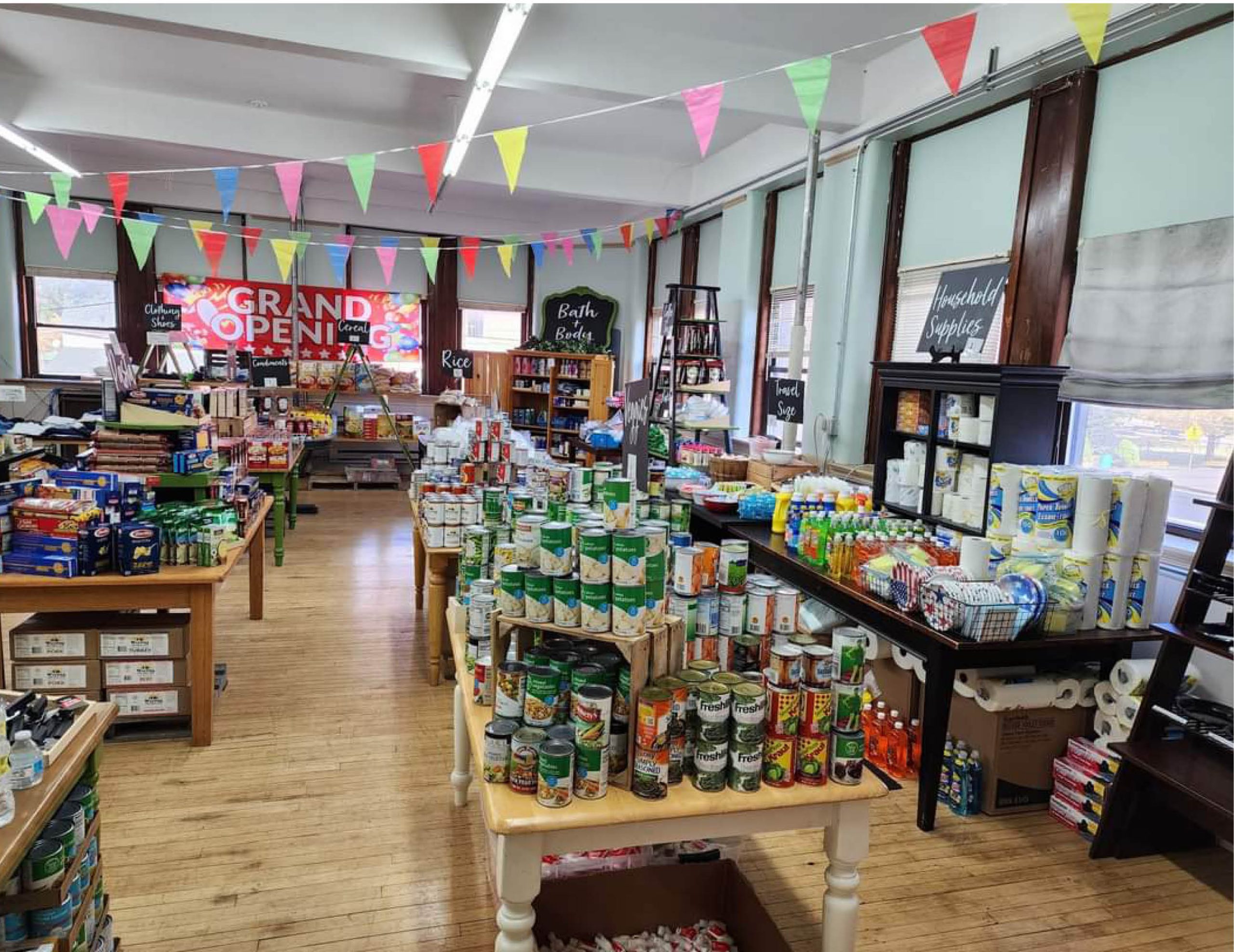
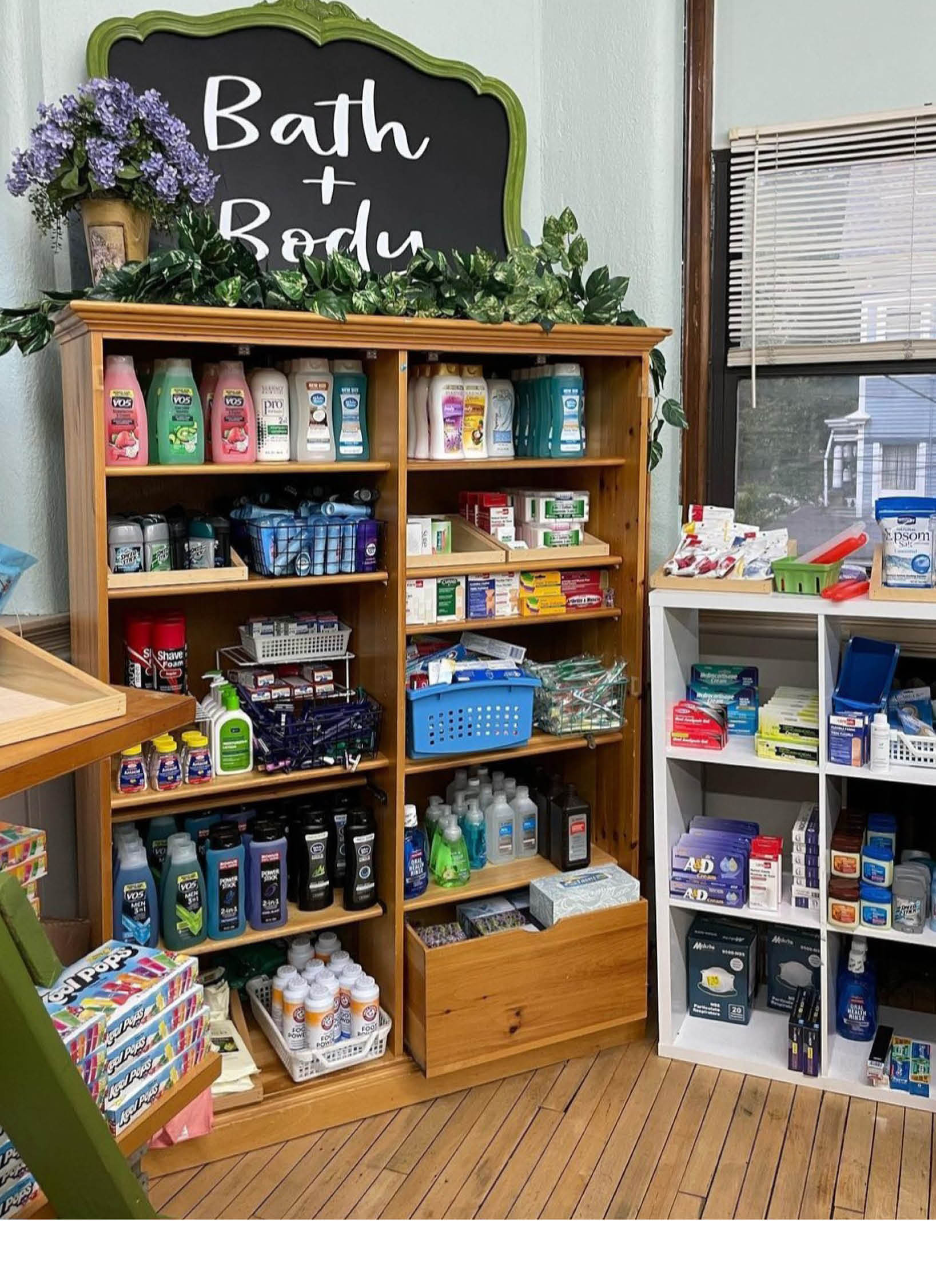
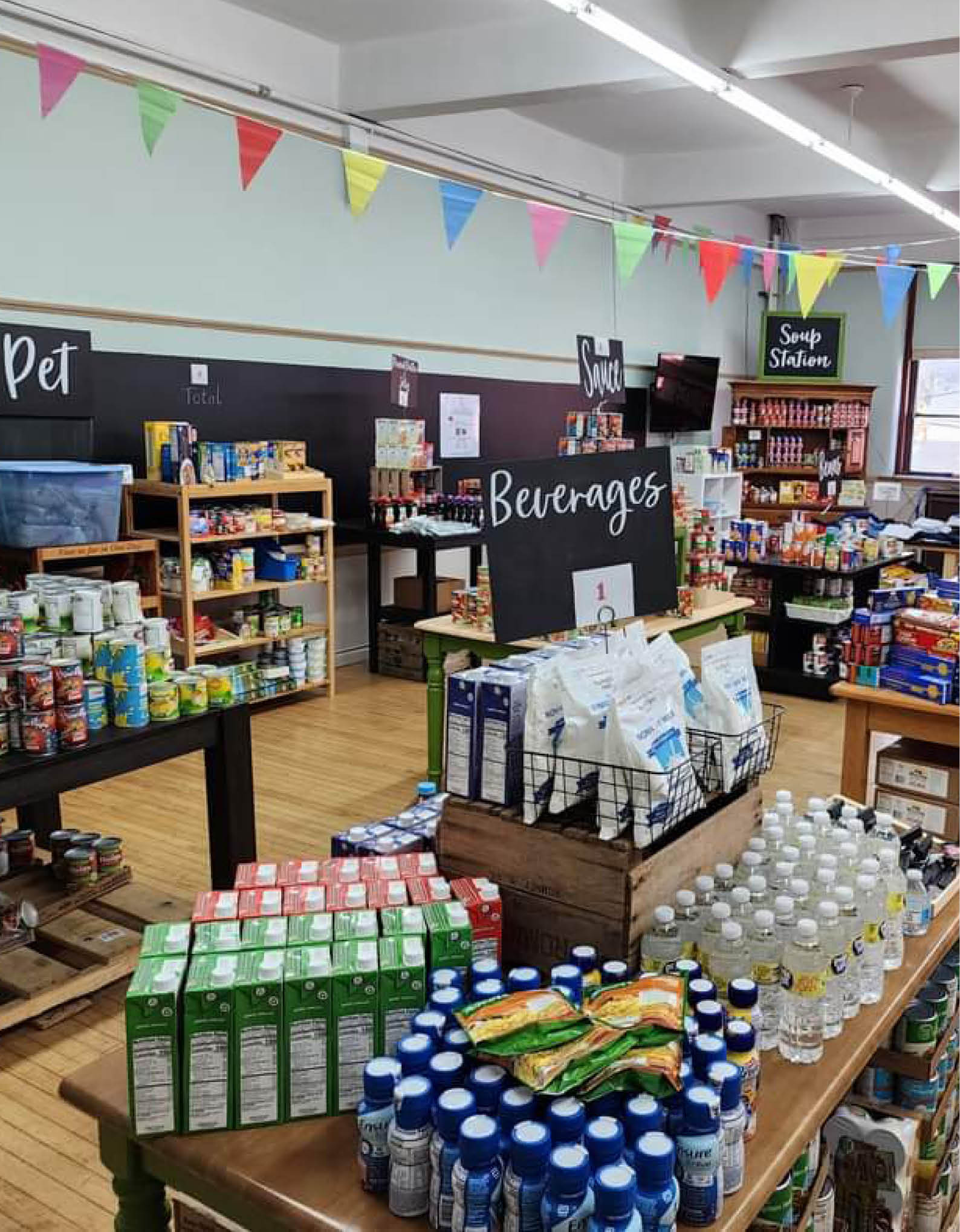
Every guest is provided with a shopping basket and can select their own food, arranged neatly by category. Beyond food, guests can choose household items, such as cleaning and laundry supplies, personal hygiene products, and even Band-Aids. DePenti notes that inventory numbers demonstrate that about forty percent of what goes out the door is not food.
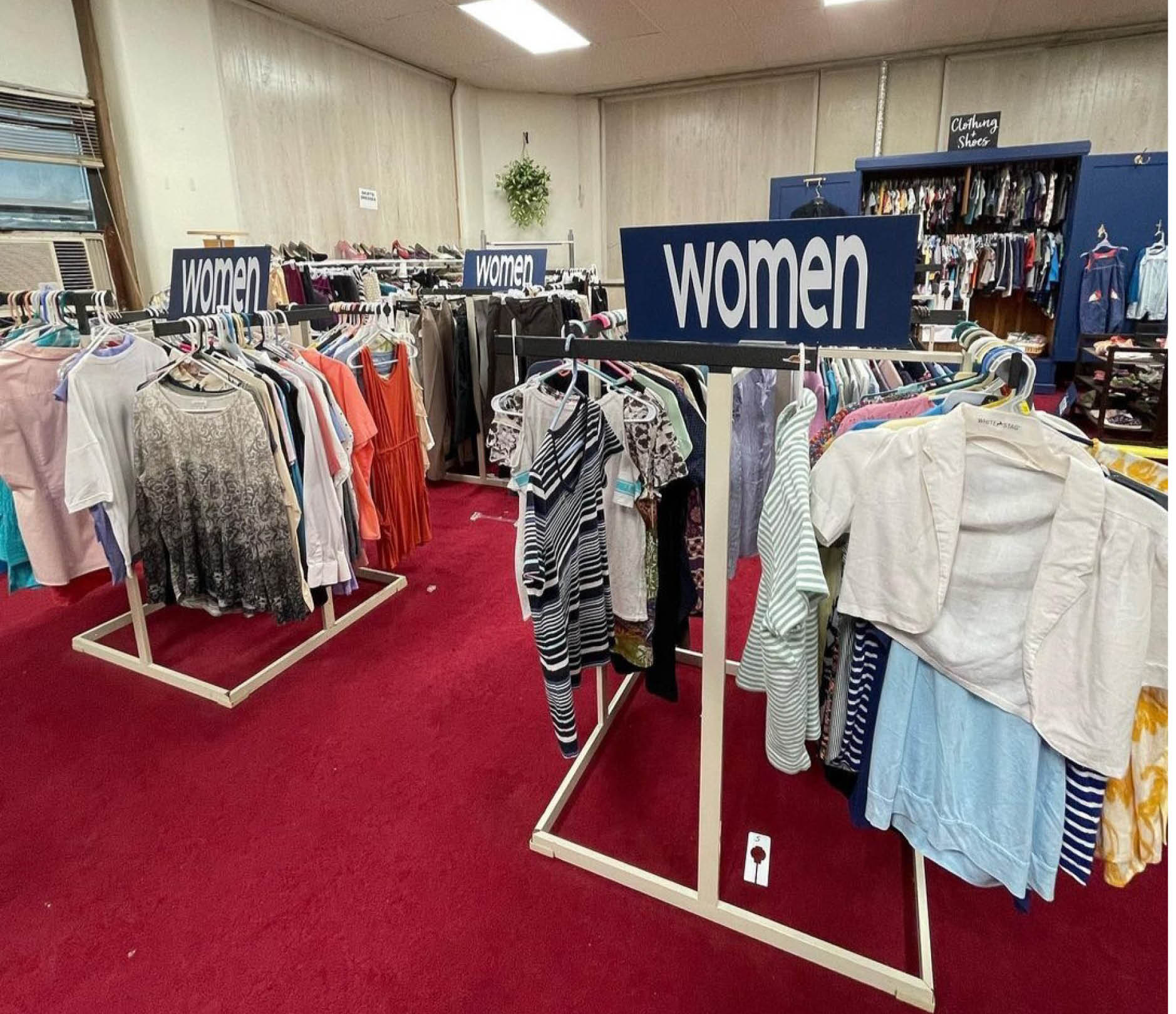
In late 2022, the diocese expanded the facility to incorporate space for donated clothing and small household items available to guests free of charge. DePenti had some initial reservations about the amount of work this expansion demanded but has since changed his mind. “Again, our guests are shopping for themselves. It’s heartwarming to see them enjoying their experience, letting their guard down, knowing that this is their place and their community,” he notes.
“In our first month, we welcomed about fifty-five guests. Today, we average about 1,000 guests a month. And last year, more than 13,000 guests came through our ministry. It’s amazing,” DePenti says. He adds that the community has a better network than even the internet. “I’ve never run an ad, never printed a single flyer. The communication is 100 percent word of mouth, by far the most effective way to reach those in our community.”
DePenti spends every Saturday at the cupboard. He also credits the organization’s volunteers, who put in more than 900 hours per month. “They are extraordinarily dedicated. I could never begin to do any of this on my own. They do an amazing job, and together we’ve done some very good work.”
In November, the Cleveland Chapter held its first community day. TEI members and their families volunteered at the cupboard. The Cleveland Chapter also supported the cupboard’s third annual fundraiser. DePenti says that the event was sold out. “TEI was one of our sponsors, and my wife and I had a lot of fun with friends from the chapter. I’m so grateful for their support of this mission and its outreach.